


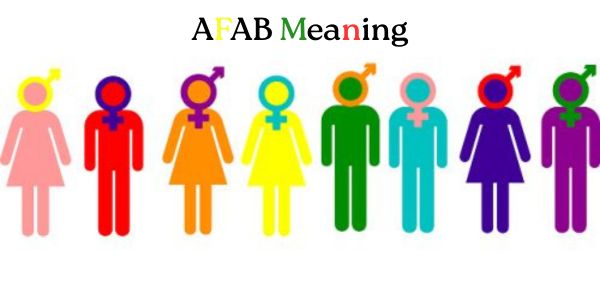
AFAB Meaning is a term that appears frequently in discussions about gender identity, healthcare, LGBTQ+ terminology, and inclusive language. If you’ve seen someone describe themselves as AFAB or encountered the term in articles, social media, or medical conversations, understanding its meaning can help you communicate more accurately and respectfully.
AFAB stands for “Assigned Female at Birth.” It refers to the sex designation given to a person at birth based on visible physical characteristics. Importantly, AFAB describes a medical assignment, not a person’s gender identity. Someone who is AFAB may identify as a woman, man, nonbinary person, transgender man, or another gender identity entirely.
This guide explains the AFAB meaning, where the term came from, how it’s used in healthcare and everyday conversations, and why understanding it is important in modern communication.
What Does AFAB Mean?
The AFAB meaning is “Assigned Female at Birth.” When a baby is born, medical professionals typically record a sex designation based on observable anatomy. If a baby is categorized as female at birth, that person is described as AFAB.
Key point: AFAB does not automatically mean the person is a woman. The term only describes the sex assigned at birth, not the person’s current gender identity.
For example:
-
An AFAB person may identify as a woman.
-
An AFAB person may identify as a man.
-
An AFAB person may identify as nonbinary.
-
An AFAB person may identify as genderqueer or another gender identity.
This distinction is one reason the term has become common in discussions about gender diversity and inclusive communication.
Where Did the Term AFAB Come From?
The term AFAB emerged from transgender, nonbinary, and LGBTQ+ communities as a way to discuss experiences related to sex assigned at birth without making assumptions about a person’s identity.
Over time, it was adopted in:
-
Healthcare settings
-
Academic research
-
Psychology and sociology studies
-
Gender studies
-
Educational materials
-
Online communities
-
Social media discussions
Before terms like AFAB and AMAB became widely used, discussions often relied on language that did not clearly distinguish between sex and gender identity. These newer terms help create more precise and respectful conversations.
AFAB vs. Gender Identity: What’s the Difference?
A common source of confusion is the difference between sex assigned at birth and gender identity.
Sex Assigned at Birth
Sex assigned at birth refers to the classification made by medical professionals based on physical characteristics observed when a person is born.
Examples:
-
AFAB (Assigned Female at Birth)
-
AMAB (Assigned Male at Birth)
Gender Identity
Gender identity is a person’s internal understanding of their gender.
Examples:
-
Woman
-
Man
-
Nonbinary
-
Genderqueer
-
Agender
-
Other gender identities
Examples
-
Someone can be AFAB and identify as a woman.
-
Someone can be AFAB and identify as a man.
-
Someone can be AFAB and identify as nonbinary.
The AFAB meaning only tells you the person was assigned female at birth—it does not tell you how that person identifies today.
AFAB vs. Female: Are They the Same?
No, AFAB and female are not always the same thing.
This is one of the most important distinctions to understand.
|
Term |
What It Refers To |
|---|---|
|
AFAB |
Assigned Female at Birth (a medical classification) |
|
Female |
A sex category or gender identity, depending on context |
|
Woman |
A gender identity |
For example:
A transgender man may be AFAB.
That person was assigned female at birth, but identifies as a man.
Using AFAB instead of simply saying “female” can provide greater accuracy when discussing healthcare, research, or life experiences without making assumptions about someone’s identity.
Why Healthcare Professionals Use AFAB
The AFAB meaning is especially important in healthcare.
Medical professionals may need information about:
-
Reproductive anatomy
-
Hormonal health
-
Certain medical screenings
-
Pregnancy-related care
-
Specific health risks
-
Preventive healthcare recommendations
Using AFAB allows healthcare providers to discuss relevant medical considerations while still respecting a patient’s gender identity.
For example, some screenings may be recommended for people who are AFAB regardless of whether they identify as women, men, or nonbinary individuals.
This approach improves both accuracy and inclusivity in healthcare communication.














Leave a comment