


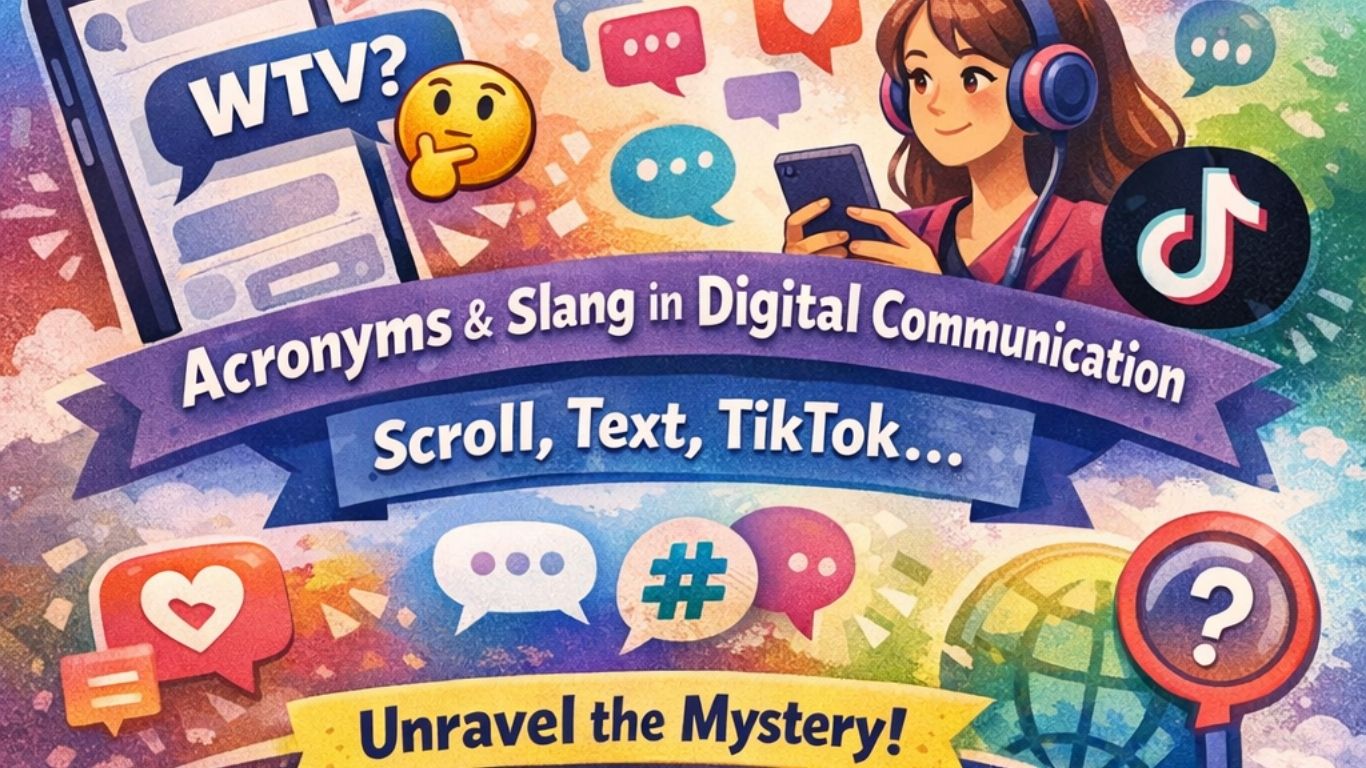
Origin and evolution of WTV Meaning
The term “WTV meaning” has roots in casual conversation, where brevity is key. It started as an informal abbreviation for “whatever.”
As texting became mainstream, people sought ways to express themselves quickly. WTV emerged as a handy tool to dismiss or brush off comments without much thought.
Over the years, its meaning expanded. On various platforms, it takes on nuances that reflect cultural shifts and trends. What began in simple text messages now thrives on social media.
TikTok users often adopt WTV to convey nonchalance or acceptance of situations with a playful twist. This evolution highlights how language adapts to new forms of communication while retaining core meanings.
Each generation redefines slang like WTV meaning, making it fluid and dynamic within digital spaces. The ongoing metamorphosis speaks volumes about our interaction styles and collective consciousness online.
The various meanings of WTV on different platforms
WTV takes on different meanings depending on the platform. On texting apps, it often stands for “whatever.” This casual tone reflects a laid-back attitude in conversations.
On TikTok, WTV meaning can mean “what’s the vibe?” It’s used in creative challenges and trends where users seek to express their feelings or capture moods. The versatile nature of this abbreviation makes it ideal for quick exchanges.
In gaming communities, WTV might also refer to “watching the video.” Gamers use it when sharing content with friends or discussing strategies.
Each interpretation enhances communication by fitting seamlessly into various contexts. Users adapt its meaning based on audience and platform culture, showcasing how language evolves online.
Examples of WTV usage in text messages, social media, and other online platforms
In text messages, WTV often pops up as a casual way to express indifference. For instance, someone might say, “I’m not sure if I want pizza or sushi. WTV.”
On social media platforms like Twitter and Instagram, users leverage WTV meaning to convey nonchalance about trending topics. A tweet could read: “People are freaking out over the new movie trailer…
WTV.”
TikTok creators also latch onto this term in their videos. They might use it humorously when reacting to mundane scenarios or outrageous trends, adding a layer of relatable sarcasm.
Even in online forums like Reddit, you’ll find discussions where participants drop a quick “WTV” to signal that they don’t have strong feelings on the subject being debated—just shrugging off heated opinions with ease.
These diverse usages illustrate how versatile the term can be across different digital landscapes.
How WTV is used in popular culture and memes
WTV has found its way into the fabric of popular culture, often appearing in memes that reflect casual attitudes and laid-back responses. It encapsulates a carefree sentiment, allowing users to brush off things they find unimportant.
Memes featuring WTV typically showcase relatable scenarios where someone is indifferent or just doesn’t care. This adds humor while highlighting the complexity of modern communication.
On platforms like Instagram and Twitter, you’ll see it used alongside trending topics or viral challenges, instantly conveying nonchalance and reinforcing shared experiences among users.
Furthermore, TikTok trends have embraced WTV as part of their dialogue. Creators use it to express apathy towards various situations—ranging from mundane daily struggles to more significant issues—making it a versatile addition to digital conversations.
The impact of WTV on language and communication
WTV has become a staple in modern communication, especially among younger audiences. Its casual nature reflects the shift towards more informal interactions in text and online platforms.
This abbreviation allows for quick expression of indifference or nonchalance. It effectively captures feelings that might otherwise take longer to articulate.
The rise of WTV also highlights how language evolves with technology. As we communicate more through screens, brevity becomes essential. Terms like WTV meaning encapsulate entire sentiments in just three letters.
Moreover, using such slang fosters a sense of community among those who understand it. It creates an unspoken bond between users, bridging gaps across diverse cultures and regions.
As digital spaces expand, so does the lexicon we use within them. Slang terms like WTV will likely continue to shape communication styles now and into the future.
Conclusion: The ever-changing nature of slang terms like WTV Meaning and their role in modern society
The landscape of language is always shifting, and slang terms like WTV meaning illustrate that dynamism perfectly. As communication evolves across platforms, so too do the meanings we assign to certain phrases. WTV has transformed from a simple abbreviation into a multifaceted term used in various contexts—from casual text messages to vibrant TikTok videos.
This adaptability showcases how digital culture influences our interactions. People embrace these terms not just for efficiency but also as expressions of identity and belonging within communities. The fact that WTV can mean different things depending on where it’s used speaks volumes about the creativity inherent in modern communication.
As new generations adopt and adapt such slang, they redefine its significance over time. This constant evolution reflects broader societal changes and highlights the role language plays in shaping our connections with one another. Slang like WTV meaning serves not only as shorthand but also as a mirror, reflecting cultural trends, values, and shifts in social dynamics.
Understanding these nuances enriches our appreciation for language itself—a living entity that grows alongside us in this fast-paced digital age.












Leave a comment