


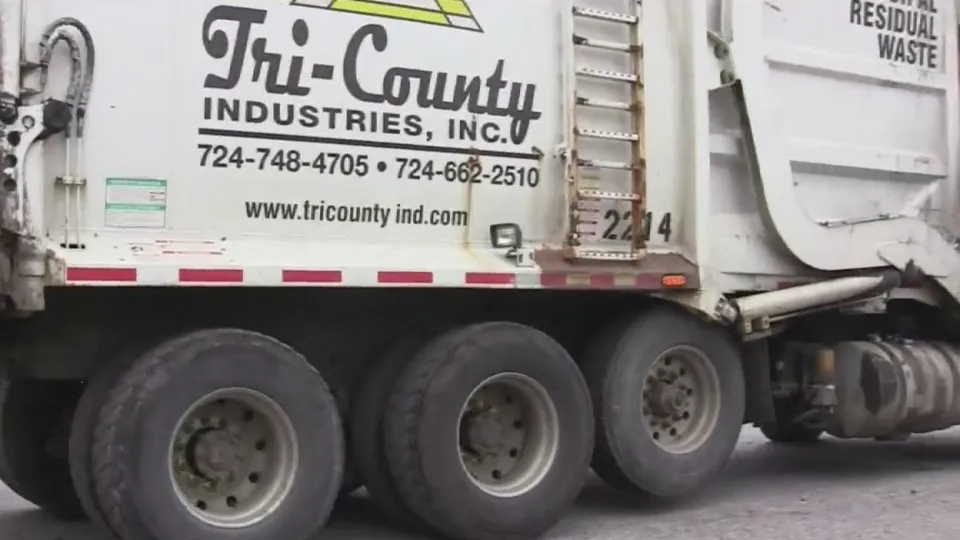
For residents of Mercer County, Pennsylvania, the recent decision by the Commonwealth Court regarding the Tri-County Landfill Permit Revoked isn’t just a legal ruling—it’s a sigh of relief. After a protracted battle involving local community groups, environmental regulators, and waste management companies, the court has upheld the revocation of a permit that would have allowed the landfill to reopen and expand operations.
While the headline is a victory for opponents of the project, the details of the decision shed light on the complex intersection of environmental policy, public safety, and community advocacy. This ruling serves as a potent reminder of why vigilant oversight is critical in waste management and how regulatory frameworks can protect communities from potential hazards.
In this post, we’ll explore the specifics of the court’s decision, the safety concerns that drove the ruling, and the broader environmental implications for the region.
The Court’s Decision: Safety First tri-county landfill permit revoked
The crux of the Pennsylvania Commonwealth Court’s decision to deny the permit wasn’t based on groundwater contamination or air quality, as one might initially suspect with landfill disputes. Instead, the ruling hinged on a specific public safety regulation: airport proximity.
The court found that the proposed landfill site violated a 1997 regulation adopted by the Environmental Quality Board (EQB). This rule mandates that no municipal waste landfill can be located within 10,000 feet of any airport runway used by turbine-powered aircraft. The tri-county landfill permit revoked site falls within this restricted zone relative to the Grove City Airport in Springfield Township.
This specific setback requirement is designed to mitigate the risk of bird strikes—a serious hazard for aircraft. Landfills inevitably attract birds, which pose a significant danger to planes taking off and landing nearby. By enforcing this regulation, the court prioritized aviation safety, reversing previous approvals granted by the Department of Environmental Protection (DEP) and the Pennsylvania Environmental Hearing Board.
Beyond the Runway: Deep-Seated Environmental Concerns
While the legal knock-out punch came from aviation safety regulations, the opposition to the tri-county landfill permit revoked has long been fueled by broader environmental anxieties. The project, led by Tri-County Industries (associated with Vogel Holdings), aimed to reopen a site that had previously operated as a waste disposal facility from 1950 to 1990.
Local advocacy groups, most notably the Citizens Environmental Association of the Slippery Rock Area (CEASRA), have been vocal about the potential risks associated with reviving the site. Their opposition highlights a record of concern regarding the operator’s history and the potential impact on the local ecosystem.
Track Record of Violations
One of the primary arguments raised by community groups involves the compliance history of the companies involved. According to CEASRA, Vogel Holdings has faced significant penalties in the past for operational violations. These have included fines totaling hundreds of thousands of dollars for infractions such as:
- Transporting illegal gas well waste
- Exceeding daily waste volume limits
- Failing to control odors and erosion
- Leaking garbage trucks
These historical violations paint a concerning picture for residents who fear that a new permit could lead to a recurrence of these issues, threatening the quality of life in Liberty and Pine Townships.
Groundwater and Ecosystem Risks
Landfills, by their nature, pose inherent risks to the surrounding environment if not managed with absolute precision. The primary concern for many rural communities is the threat of leachate—the liquid that drains or ‘leaches’ from a landfill. If the liner systems fail, this toxic cocktail can seep into groundwater, contaminating local wells and waterways.
Furthermore, the operational noise, dust, and heavy truck traffic associated with a large-scale municipal waste facility can disrupt local wildlife habitats and degrade the rural character of the region.
The Role of Community Advocacy
The revocation of the tri-county landfill permit revoked underscores the power of persistent community action. Groups like CEASRA and local government bodies, including Liberty Township, have spent years navigating the complex appeals process.
Their efforts demonstrate that regulatory approval is not always the final word. By scrutinizing the details of permit applications and holding operators accountable to every letter of the law—in this case, an airport setback rule—communities can effectively challenge projects they believe are detrimental to their safety and environment.
State Representative Tim Bonner publicly recognized this effort, noting that while the operator has legal avenues for appeal, the opposition from local environmental groups and residents has been a driving force in bringing these safety issues to the forefront.
What Happens Next?
The legal battle may not be entirely over. Tri-county landfill permit revoked. Industries have the option to appeal the Commonwealth Court’s decision to the Pennsylvania Supreme Court. However, the current ruling stands as a significant barrier to the project’s revival.
For now, the decision effectively halts the reopening of the 99-acre site. It also sets a reinforced precedent regarding the strict enforcement of the 10,000-foot airport setback rule, which could influence future landfill siting decisions across the state.
Conclusion
The tri-county landfill permit revoked case is more than a local dispute; it is a case study in environmental law and community resilience. By enforcing regulations that protect public safety and acknowledging the valid concerns of residents, the Commonwealth Court has affirmed that economic interests cannot override established safety standards. As the situation evolves, the vigilance of Mercer County residents remains the strongest defense against potential environmental risks.












Leave a comment