


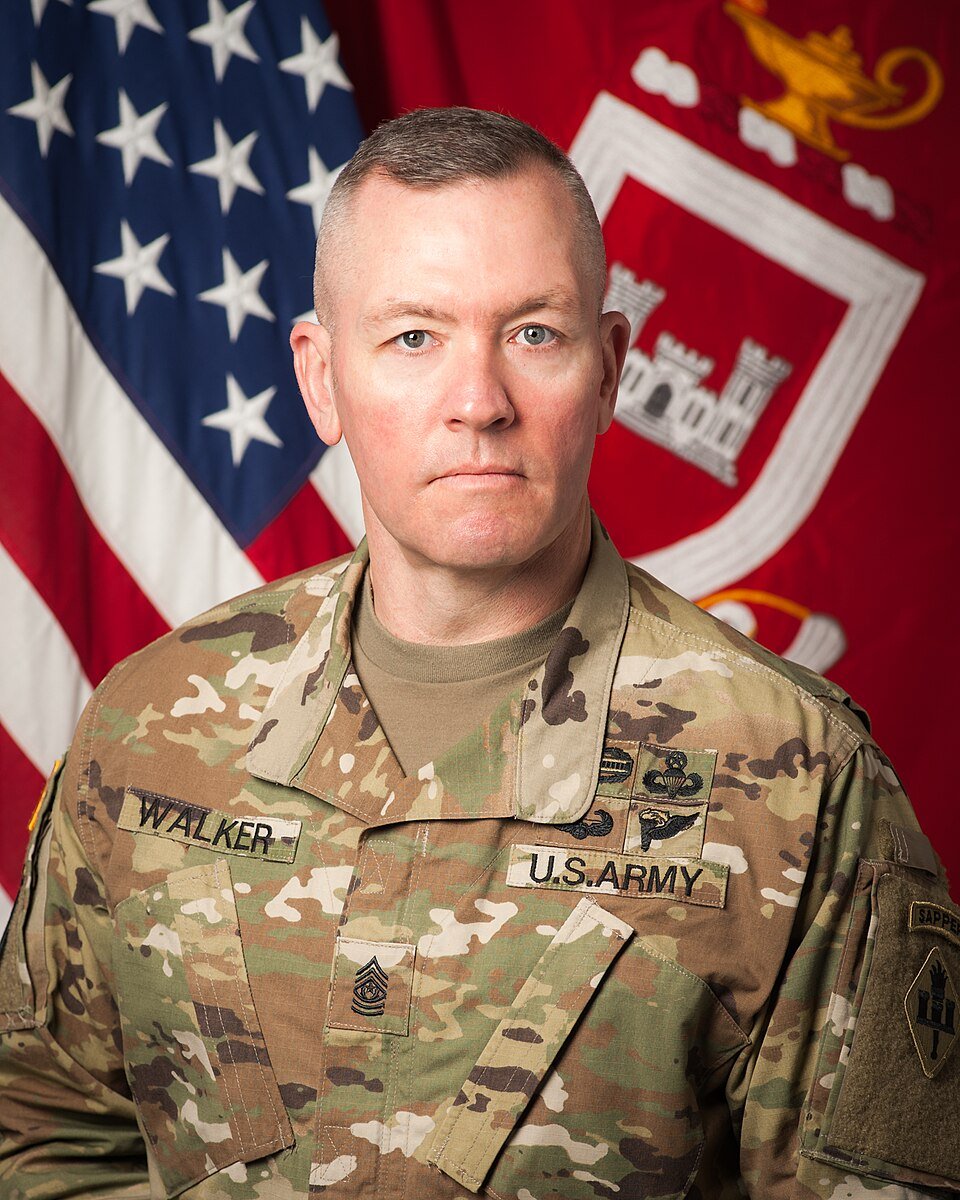
The name Martin-E-Walker-Oklee-U.S.-Army has appeared in online searches, leading many people to wonder who he is and what role he may have played in the United States military. However, unlike well-known military leaders or public officials, there is very limited verified public information available about him. This article provides a factual overview based on publicly available information, explains why his name attracts attention, and highlights the importance of relying on accurate sources when researching individuals connected to military service.
Who Is Martin-E-Walker-Oklee-U.S.-Army?
Martin-E-Walker-Oklee-U.S.-Army appears to be associated with military-related searches, but there is little publicly verified information describing his personal history, military assignments, or professional achievements. Unlike high-ranking officers or public military figures, his name does not appear in widely available official biographies or detailed public records.
This does not necessarily mean he did not serve in the military. Many members of the U.S. Army complete honorable careers without maintaining a significant public profile. In such cases, respecting privacy while presenting only confirmed information is essential.
Why Is Martin-E-Walker-Oklee-U.S.-Army Being Searched Online?
Several factors may explain the growing interest in Martin-E-Walker-Oklee-U.S.-Army. Search engines often display names from historical documents, military records, genealogy databases, local publications, or online discussions. As more people search for a name, curiosity can increase even when limited information is available.
Common reasons people search for this name include:
- Looking for military service information
- Researching family history or genealogy
- Verifying online references
- Seeking publicly available background information
These searches reflect public curiosity rather than confirmed news or official announcements.
What Public Information Is Available?
At the time of writing, there is very little verified public information regarding Martin-E-Walker-Oklee-U.S.-Army. No comprehensive official biography, public interviews, or detailed military profile appears to be available through widely recognized public sources.
Because of this, responsible content should avoid presenting assumptions as facts. Publishing unsupported claims about military rank, assignments, awards, or leadership positions can mislead readers and reduce the credibility of the content.
When reliable information is unavailable, it is better to acknowledge those limitations than to speculate.
Military Service and Professional Background
Although online searches associate the name with the U.S. Army, publicly available records do not provide enough verified details to accurately describe Martin-E-Walker-Oklee-U.S.-Army military career.
Military personnel often serve in a variety of roles, including operations, logistics, engineering, communications, healthcare, intelligence, and administration. However, without official documentation or credible public records, it is not appropriate to attribute any specific duties or accomplishments to a particular individual.
Presenting only confirmed information helps maintain both accuracy and trust.
Leadership and Contributions
Leadership is an important aspect of military service, but there are no publicly verified sources that describe the leadership style, command responsibilities, or documented contributions of Martin-E-Walker-Oklee-U.S.-Army.
Many service members make meaningful contributions that are never widely publicized. Their work may support missions, training, logistics, or administrative operations behind the scenes. Unless reliable evidence is available, however, it is important not to assign specific achievements or awards.
Responsible reporting values factual accuracy over speculation.
Why Accurate Information Matters
Publishing accurate information is especially important when writing about real people. Search engines such as Google increasingly prioritize content that demonstrates experience, expertise, authoritativeness, and trustworthiness (E-E-A-T).
Using verified information helps:
- Prevent the spread of misinformation.
- Build trust with readers.
- Improve long-term content quality.
- Support ethical and responsible publishing practices.
When facts cannot be confirmed, acknowledging that limitation is often more valuable than attempting to fill gaps with assumptions.
Respecting Privacy and Verified Sources
Not everyone connected with the military is a public figure. Many veterans and active-duty personnel choose to keep their personal and professional lives private after their service.
Respecting privacy means:
- Avoiding unverified personal details.
- Not assuming military rank or assignments.
- Distinguishing between confirmed facts and speculation.
- Using only reliable public sources when available.
This approach aligns with modern publishing standards and demonstrates respect for individuals while providing readers with dependable information.
FAQ’s
Who is Martin-E-Walker-Oklee-U.S.-Army?
The name is associated with online military-related searches, but only limited verified public information is currently available.
Was Martin E Walker in the U.S. Army?
Online references suggest a military connection, but detailed service records have not been publicly documented through widely available official sources.
Why are people searching for Martin-E-Walker-Oklee-U.S.-Army?
Most searches appear to be driven by curiosity, genealogy research, or attempts to verify publicly available information.
Is there an official biography available?
At present, no comprehensive official public biography has been widely published.
Why should articles avoid speculation?
Using verified facts protects readers from misinformation and helps maintain credibility, accuracy, and compliance with modern search quality guidelines.
Conclusion
Interest in Martin-E-Walker-Oklee-U.S.-Army continues to grow, but publicly verified information remains limited. Rather than relying on assumptions or unsupported claims, the most responsible approach is to present only confirmed facts while acknowledging where information is unavailable. This not only respects individual privacy but also aligns with Google’s Helpful Content and E-E-A-T principles. As additional verified information becomes available through reliable public sources, readers can expect a clearer understanding of the individual and any documented military background.













Leave a comment