


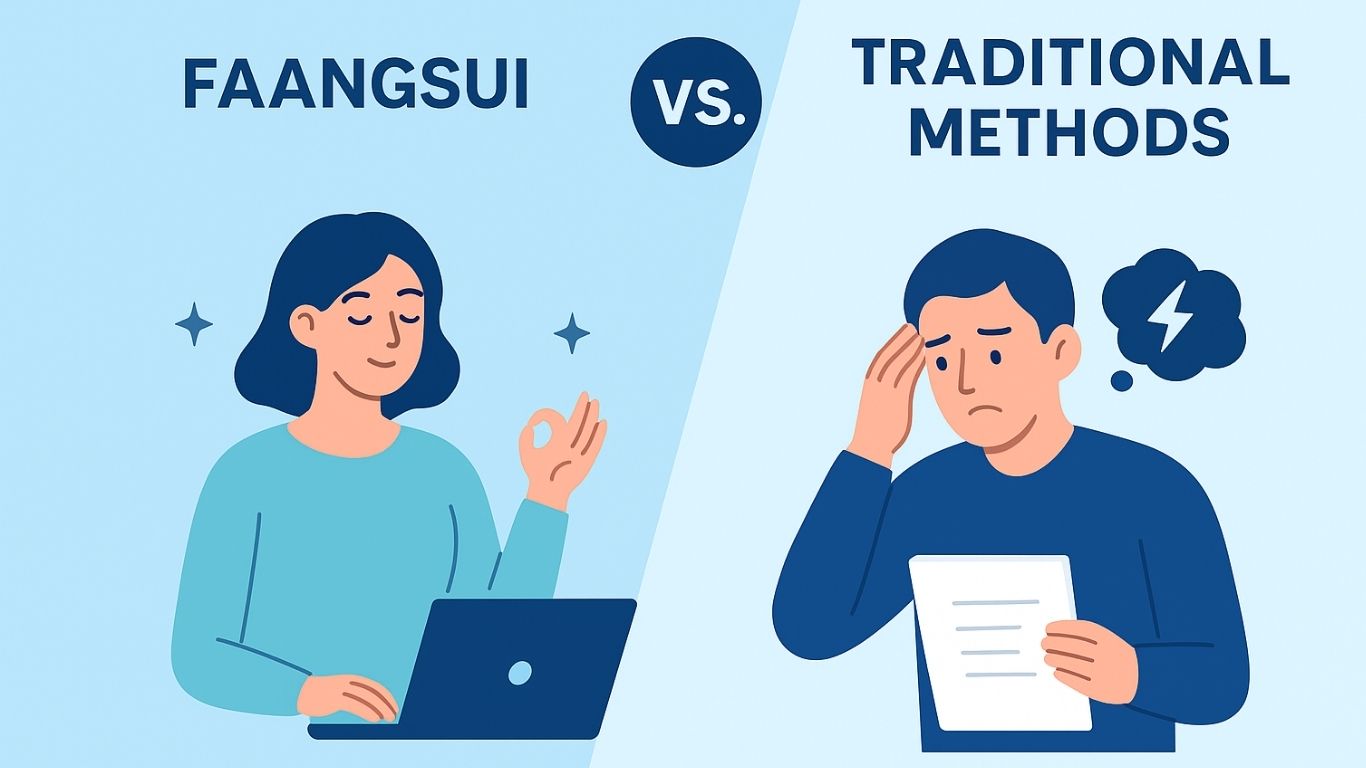
Faangsui has captivated minds and hearts for centuries, weaving its ancient wisdom into the very fabric of our environments. Its purpose? To create harmony between individuals and their surroundings, fostering a sense of peace and balance. As we navigate an increasingly modern world filled with technology, a new concept has emerged that blends these age-old practices with contemporary innovation: Faangsui. This exciting evolution not only honors traditional principles but also adapts them to suit our fast-paced lifestyles. Curious about how Faangsui differs from its predecessor? Let’s explore this fascinating fusion together!
Traditional Feng Shui Methods
Traditional Feng Shui is rooted in ancient Chinese philosophy. It emphasizes harmony between individuals and their environment. Practitioners believe that energy, or “Qi,” flows through spaces, influencing health and well-being.
One common method involves analyzing the layout of a home or building. This includes examining entrances, windows, and furniture placement to create balanced energy flow.
The Bagua map is another essential tool used in traditional Feng Shui. It divides a space into areas corresponding to various life aspects like wealth and relationships.
Colors also play a significant role in this practice. Each hue carries its own energy vibration, which can enhance specific areas when applied correctly.
Additionally, natural elements such as water, wood, fire, earth, and metal are integrated into designs to promote balance and vitality within living spaces. These methods have stood the test of time for their ability to positively affect human experience.
The Rise of Faangsui: A combination of technology and ancient practices
Faangsui is emerging as a fascinating blend of ancient wisdom and modern technology. This innovative approach takes the principles of traditional Feng Shui and infuses them with digital tools, making it accessible to everyone.
With apps that analyze your living space using algorithms based on classic Feng Shui teachings, practitioners can now receive personalized recommendations at their fingertips. These advancements allow users to visualize energy flow in real-time.
Moreover, virtual reality simulations help individuals experiment with different layouts before committing to changes in their homes or offices. The integration of smart home devices further enhances this practice by optimizing energy efficiency while aligning with harmonious environments.
As people seek balance amidst chaotic lifestyles, Faangsui offers tailored solutions rooted in tradition yet enhanced by contemporary tech. This evolution is reshaping how we interact with our spaces for improved well-being and productivity.
How Faangsui is Different from Traditional Feng Shui
Faangsui diverges from traditional Feng Shui in several key aspects. While both practices focus on harmonizing energy within a space, Faangsui integrates modern technology to enhance these ancient principles.
Traditional Feng Shui relies heavily on the analysis of physical surroundings and compass readings. Practitioners often use intricate charts and formulas based on centuries-old wisdom. In contrast, Faangsui combines this age-old knowledge with data-driven insights from contemporary tools like mobile apps and software.
Another distinction lies in accessibility. Traditional methods may require expert guidance or extensive study. However, Faangsui democratizes the practice by making it user-friendly for anyone interested in optimizing their environment.
The aesthetic approach also varies; while traditional Feng Shui emphasizes specific colors and placements tied to elemental theory, Faangsui embraces a broader design philosophy that reflects current trends without sacrificing core principles. This blend allows individuals to create spaces that are not only harmonious but also visually appealing.
Benefits of Implementing Faangsui in Your Home or Workspace
Implementing Faangsui in your home or workspace can transform the energy flow around you. This innovative approach merges ancient wisdom with modern technology, promoting harmony and balance.
One significant benefit is enhanced productivity. By aligning your environment with Faangsui principles, you create a space that encourages focus and creativity.
Moreover, it fosters emotional well-being. A thoughtfully arranged room can reduce stress and anxiety levels, making way for tranquility.
Incorporating Faangsui also invites prosperity into your life. When spaces are optimized according to their guidelines, they naturally attract positive opportunities.
It’s adaptable to any setting—be it a cozy apartment or a bustling office. You don’t need extensive renovations; small adjustments can yield impressive results in how you feel and work each day.
Tips for Incorporating Faangsui in Your Life
Start with small changes. Rearranging furniture can shift energy flow in your space. Move your desk to face the door, enhancing productivity and creating a sense of control.
Add plants to breathe life into your environment. They not only purify the air but also bring vibrant energy that promotes positivity and growth.
Incorporate technology mindfully. Use apps or online tools designed for Faangsui analysis, allowing you to visualize adjustments before making physical changes.
Create a digital vision board. This modern twist helps you align intentions with aspirations, keeping goals front and center in your daily routine.
Choose colors wisely. Each hue has unique energetic properties; select shades that resonate with the feelings you want in each room—calm blues for relaxation or energizing yellows for creativity.
Practice mindfulness regularly. Take moments throughout the day to assess how your surroundings affect mood and clarity, guiding further adjustments as needed.
The Future of Faangsui: How Technology is Changing the Practice
The future of Faangsui is bright, driven by the integration of technology. Smart home devices now play a pivotal role in enhancing energy flow and harmony within spaces.
Imagine using apps that analyze your living environment based on traditional Feng Shui principles while providing real-time suggestions for improvement. This blend offers an accessible approach to age-old practices.
Wearable tech is also stepping into the picture. Devices that monitor stress levels can guide individuals towards creating calming environments, further emphasizing personal well-being.
Virtual reality tools are emerging as a way to visualize changes before making them. Users can experiment with layouts and decor digitally, ensuring they align with their unique energies.
As technology evolves, so does our understanding of space dynamics. The fusion encourages more people to explore these ancient teachings in modern contexts, leading to personalized experiences tailored to individual needs.
Conclusion
Feng Shui is an ancient practice rooted in harmony and balance. It has guided countless individuals toward creating spaces that promote positivity and well-being. Traditional Feng Shui methods focus on the arrangement of physical elements to enhance energy flow, but as times change, so do our approaches.
The rise of Faangsui marks a fascinating evolution in this age-old tradition. By merging technology with these time-honored practices, Faangsui offers a fresh perspective that resonates with today’s fast-paced world. This innovative blend allows for personalized adjustments based on real-time data and environmental factors.
Faangsui sets itself apart from traditional Feng Shui by emphasizing adaptability and integration with modern life. While traditional methods rely heavily on established rules, Faangsui utilizes smart devices and applications to assess one’s environment continuously. This means you can achieve optimal energy flow without extensive renovations or waiting periods.
Implementing Faangsui comes with numerous benefits for your home or workspace. From improved productivity at work to enhanced tranquility at home, the results speak volumes about how this new approach can influence daily life positively. The ability to customize your space according to current needs fosters both comfort and efficiency.
Incorporating Faangsui into your lifestyle doesn’t have to be daunting, either. Start small by assessing your surroundings using mobile apps designed for this purpose; adjust furniture placement based on their suggestions; even consider integrating plants or lighting changes inspired by what you’ve learned through technology.
As we look ahead, it’s clear that technology will continue reshaping many aspects of our lives—including practices like Faangsui. With growing access to smart devices capable of automatically analyzing spatial arrangements, the future looks promising for those seeking balance within their living spaces.
Embracing this unique fusion may not only redefine how we interact with our environments but also lead us toward a more harmonious existence—both personally and professionally.














Leave a comment