


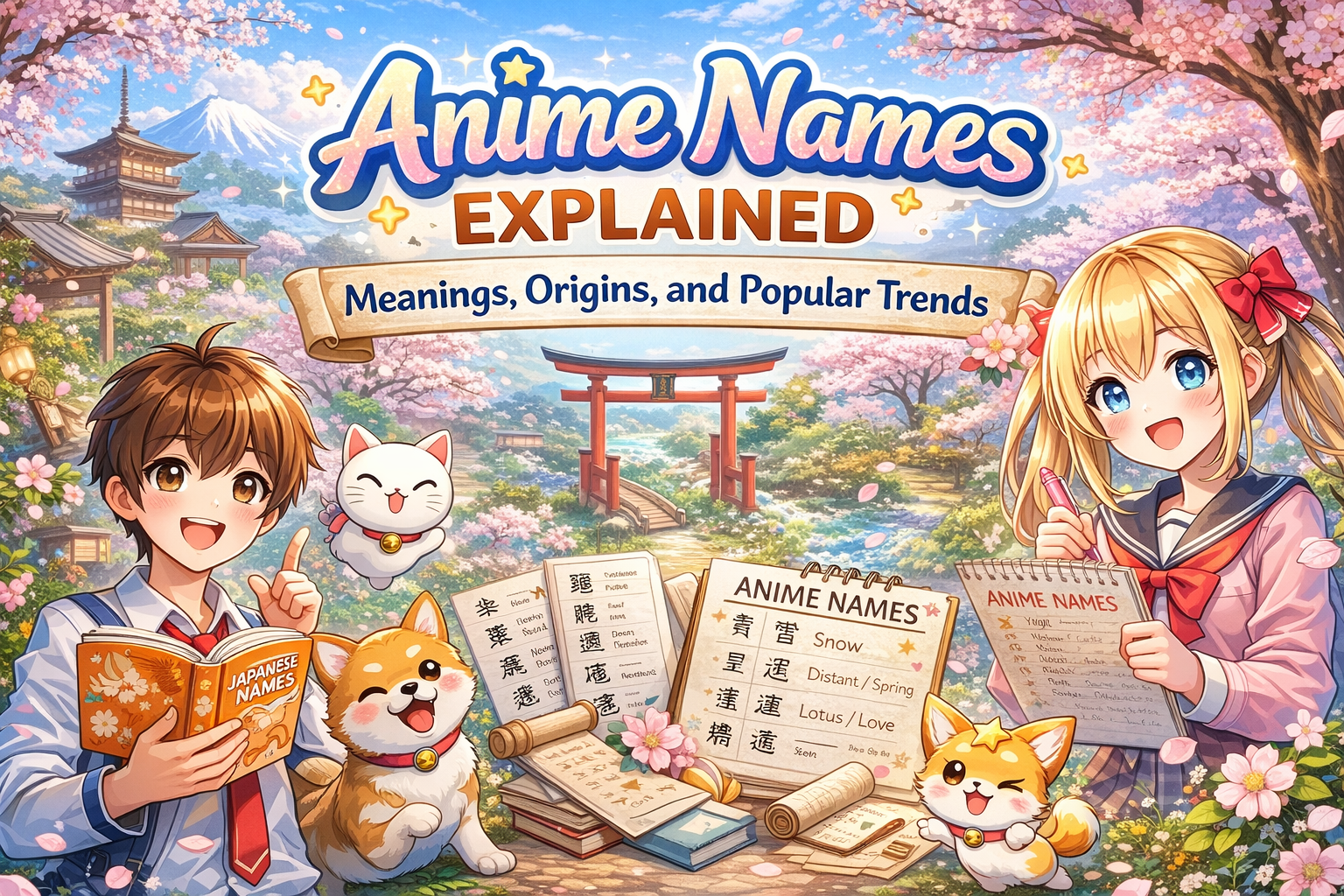
Anime names, is a vibrant world filled with captivating stories, dynamic characters, and stunning visuals. But behind every memorable character lies a name that carries meaning, symbolism, and sometimes even a touch of mystery. Anime names play an essential role in storytelling and character development. They can hint at personality traits or foreshadow events to come.
Whether you’re a seasoned anime fan or just dipping your toes into this colorful genre, understanding the nuances of anime names will enrich your viewing experience. In this blog post, we’ll explore their history and origins while uncovering popular trends and common themes that resonate throughout various series. Plus, we’ll dive into some famous characters whose unique names have left a lasting impact on fans worldwide.
So grab your favorite snack as we embark on this journey through the fascinating realm of anime names!
History and Origins of Anime Names
Anime names have a rich history that reflects the evolution of Japanese culture and storytelling. The roots can be traced back to traditional Japanese literature, where character names were often imbued with deep meanings.
As anime began to gain popularity in the mid-20th century, creators started experimenting with naming conventions. Early series drew from historical figures or mythology, giving characters names that resonated with audiences.
In modern anime, the trend shifted toward unique combinations of kanji characters. Each character contributes distinct meanings that enhance personality traits or plot elements. This approach adds layers to storytelling.
The influence of global media also plays a role today. Western trends sometimes seep into naming practices, leading to innovative blends that still maintain cultural significance within Japan’s vibrant animation scene.
Popular Trends in Anime Names
Anime names have evolved significantly over the years, reflecting both cultural shifts and audience preferences. One prominent trend is the use of compound names, often combining two or more words to create unique identifiers that resonate with viewers.
For instance, characters like Shoto Todoroki from “My Hero Academia” showcase this trend. His name blends elements that hint at his fiery and icy powers.
Another notable shift is towards gender-neutral names. This allows for greater inclusivity within stories, appealing to a broader demographic. Characters like Giyu Tomioka from “Demon Slayer” exemplify how these choices can enhance character depth.
Additionally, nature-inspired names are on the rise. Names derived from plants and animals evoke certain traits or abilities tied to those elements—think Sakura (cherry blossom) representing beauty and transience in “Naruto.”
These trends not only enrich storytelling but also engage fans in deeper ways as they explore the meanings behind each name.
Common Themes and Meanings in Anime Names
Anime names often reflect deeper meanings or themes that resonate with the story and its characters. Many creators draw inspiration from nature, mythology, and cultural symbols to craft names rich in significance.
For instance, names like Sakura (cherry blossom) evoke beauty and transience, embodying themes of growth and change. Characters named after celestial bodies often represent aspirations or destinies intertwined with fate.
On the other hand, some anime names incorporate traits that define a character’s personality. A name meaning “brave” might belong to a heroic figure facing immense challenges. This layering adds depth to storytelling.
Moreover, cultural references can shape perceptions of a character’s role within their world. Names linked to famous historical figures may suggest strength or wisdom.
Through these thoughtful choices, anime creators enrich the viewing experience by weaving intricate narratives into each episode.
Famous Characters and Their Names
Many anime characters have names that carry deep meanings or cultural significance. Take Naruto Uzumaki, for example. His name reflects his journey of growth and resilience, with “Naruto” referring to a whirlpool—a nod to the swirling energy he embodies.
Then there’s Goku from “Dragon Ball.” His name is derived from the Japanese word for “waking up,” which aligns perfectly with his character’s evolution throughout the series as he continually pushes himself beyond limits.
Don’t forget about Sailor Moon, named Usagi Tsukino. Her surname translates to “of the moon,” highlighting her celestial connection and warrior spirit.
These names do more than just identify; they enrich narratives, reflecting personalities and aspirations within their stories. Each choice adds layers to the characters’ identities while resonating with fans in unique ways. The artistry behind naming can elevate storytelling into something truly magical.
How to Choose an Anime Name for Your Character
Choosing an anime name for your character can be a thrilling yet challenging task. Start by considering the personality traits you want to convey. Is your character fierce, gentle, or mysterious? The right name can enhance these qualities.
Next, think about cultural significance. Many anime names draw from the Japanese language and folklore. A name like “Hikari” means light, perfect for a hopeful hero.
Don’t forget about sound and style! Names should flow well when spoken aloud. Play with different combinations of syllables until something feels just right.
Consider uniqueness versus familiarity. A distinctive name helps your character stand out in a crowded field but may need context within the story to resonate with audiences. Balancing creativity with relatability is key in this creative process!
Conclusion
Anime names carry a depth of meaning that reflects the culture and creativity behind them. They draw from history, language, and popular trends, each contributing to the richness of character development in anime. From classic shows to contemporary series, understanding these names can enhance your appreciation for the stories they tell.
The origins of anime names often trace back to cultural references or historical figures. This adds layers to characters that fans enjoy unraveling. Popular trends in naming can shift with time but often reveal societal interests or shifts within Japanese culture.
Common themes such as strength, honor, and emotion resonate through many anime names. These elements provide insight into character traits and arcs while connecting viewers on an emotional level.
Famous characters like Naruto Uzumaki or Sailor Moon have become iconic not just for their adventures but also for what their names symbolize. Each name is carefully crafted to reflect personality, journey, or even destiny.
If you’re creating your own characters, consider how best to convey their essence through a name. Think about meanings rooted in mythology or nature—these choices can give your character a memorable identity within the vast world of anime.
Understanding the significance of anime names opens up new dimensions for both creators and fans alike. The next time you encounter a captivating title or character moniker, take a moment to explore its background; it might just deepen your connection to this vibrant medium.












Leave a comment