


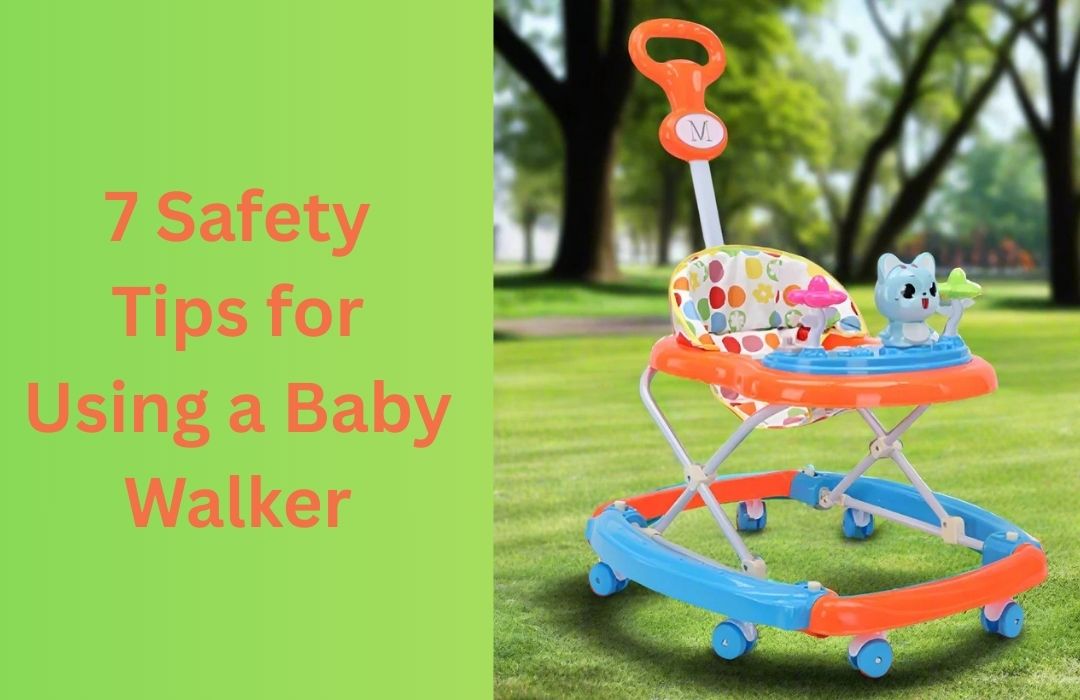
Baby walkers can be a delightful tool for parents eager to see their little ones take those first steps. These colorful, wheeled devices promise mobility and independence for curious infants who are ready to explore the world around them. However, while baby walkers may seem like fun accessories in your parenting toolkit, there’s more to consider beyond the playful design.
As you navigate through parenthood, it’s crucial to weigh both the benefits and potential risks associated with using a baby walker. With so much information available—some of it contradictory—you might find yourself wondering how safe they really are for your child. Understanding these dynamics will help ensure that your baby’s journey toward walking is both enjoyable and secure. Let’s dive deeper into this topic!
The Controversy Surrounding Baby Walkers
Baby walkers have sparked significant debate among parents and pediatric experts alike. Some view them as essential tools for early mobility, while others raise red flags about their safety.
Proponents argue that baby walkers can help babies strengthen their legs and improve balance. They claim it encourages exploration and independence within a controlled environment. However, the excitement often overshadows critical concerns.
Opponents highlight the risks associated with baby walkers, noting that they can lead to serious accidents. Babies in these devices may reach dangerous areas quickly or tip over unexpectedly. The potential for falls down stairs is particularly alarming.
Research has shown a correlation between walker use and injuries related to collisions or tumbles. Such findings prompt many childcare specialists to warn against their usage altogether, urging parents to consider safer alternatives instead of embracing this controversial gadget blindly.
Safety Concerns and Risks Associated with Baby Walkers
Baby walkers can be a source of entertainment for your little one, but they also bring significant safety concerns. One major risk is the potential for falls. A baby in a walker can quickly roll into dangerous areas, like stairs or uneven surfaces.
Another issue is that walkers may encourage early mobility without sufficient control. This can lead to accidents if babies aren’t ready to balance themselves properly.
There’s also the danger of tipping over or getting stuck in tight spaces. Babies are naturally curious and might reach for items that could cause harm while in a walker.
Many parents overlook how quickly these devices can move. In just seconds, an inquisitive child can find trouble if left unattended.
Being aware of these risks is crucial when considering whether a baby walker fits into your child’s development safely.
Tips for Choosing the Right Baby Walker
When selecting a baby walker, prioritize safety features. Look for models with a wide base to prevent tipping over easily.
Check the materials used; sturdy construction is essential for durability and stability. Soft padding can enhance comfort during use.
Adjustable height settings allow the walker to grow with your child. This feature ensures they get the most out of their investment.
Consider wheels too—choose those that move smoothly across various surfaces without locking or sticking unexpectedly. Some walkers even have rubberized wheels for added traction on slippery floors.
Always opt for walkers that meet safety standards set by regulatory bodies. Reading reviews from other parents can also guide you toward making an informed choice tailored to your needs and lifestyle.
Safety Precautions to Take While Using a Baby Walker
When using a baby walker, safety should always be the top priority. First, ensure that your home environment is safe and free from obstacles. Remove any sharp objects or furniture with hard edges within reach.
Always supervise your child while they are in the walker. Even a momentary distraction can lead to accidents. A watchful eye helps prevent them from rolling into danger.
Make sure the walker has a wide base for stability. This design feature reduces the risk of tipping over during use.
Consider limiting walker time to short sessions. Prolonged use may encourage unsafe habits or hinder natural walking development.
Check regularly for wear and tear on the walker itself. Worn-out parts can compromise its safety features and put your little one at risk.
Alternatives to Baby Walkers
If you’re looking for alternatives to baby walkers, there are plenty of options that promote mobility and independence in a safer way.
Activity centers can be a fantastic choice. They allow your little one to explore while staying stationary, engaging with toys that stimulate their senses without the risks associated with moving objects around the house.
Push toys also encourage walking skills. These sturdy toys provide support as babies learn to balance and take those first steps. Plus, they come in various fun designs that keep children entertained.
Another great option is crawling tunnels or play mats. These create safe spaces for exploration, allowing babies to crawl and move freely without hazardous obstacles nearby.
Baby jumpers offer a unique form of exercise too. While not promoting walking directly, they provide entertainment and help strengthen leg muscles safely indoors.
Conclusion: Ensuring Your Child’s Safety Comes First
When it comes to the safety of your little one, prioritizing their well-being is paramount. Baby walkers can be a fun tool for encouraging mobility but come with certain risks that parents must navigate carefully. By staying informed about the controversy surrounding baby walkers and understanding potential hazards, you can make better choices for your child.
Choosing the right baby walker involves considering features such as stability and height adjustments. Always keep in mind essential safety precautions while using them—supervision is key! Additionally, exploring alternative options like stationary activity centers or push toys might offer safer ways for your child to develop their walking skills.
Your child’s safety should always top the list when deciding on tools for development. Make careful selections and stay vigilant during playtime to ensure every step they take is a safe one.













Leave a comment