


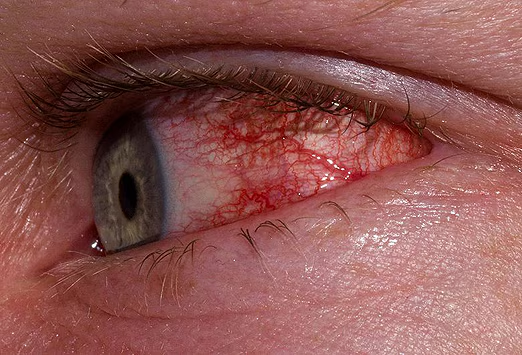
Red eyes can be alarming, especially when they belong to our little ones. If you’ve ever noticed your child sporting bright red sclerae, you might have felt a wave of concern wash over you. But what exactly causes this common condition in children? It’s more than just an aesthetic issue; understanding the underlying reasons behind red eye is crucial for parents like Tom. With a growing number of kids experiencing this discomfort, let’s delve into what red eye really means and how we can manage it effectively for our youngsters.
What is a red eye, and why does it occur in children?
Red eye refers to the appearance of bloodshot or red sclera, the white part of the eye. This condition can be disconcerting for both kids and parents alike.
In children, it often results from various factors that trigger irritation or inflammation in the eyes. Common causes include allergies, infections, dryness, or even excessive screen time. The delicate nature of a child’s immune system makes them particularly susceptible.
When irritants like dust or pollen enter their eyes, tiny blood vessels expand and become more visible. This leads to that unmistakable reddish hue we see.
Understanding why red eye occurs is essential for timely intervention and care. Not every case requires medical attention; however, being aware helps parents navigate potential issues effectively.
Common causes of red eye in children
Red eye in children can stem from various sources, often leading to concern among parents. One common cause is allergies. Dust, pollen, and pet dander can irritate the eyes, resulting in redness.
Another frequent culprit is conjunctivitis. This inflammation of the outer membrane of the eyeball may be viral or bacterial. It’s contagious and typically presents with discharge alongside redness.
Foreign objects are also a key factor. Children love to explore and sometimes end up with sand or dust irritating their sensitive eyes.
In addition, excessive screen time can lead to digital eye strain. The blue light emitted by devices contributes to discomfort and reddening of the eyes.
Environmental factors like smoke or chlorine from swimming pools might trigger irritation as well. Understanding these causes helps in addressing red eye effectively when it arises in kids like Tom.
Identifying symptoms and seeking medical attention
Recognizing the symptoms of red eye in children is crucial for timely intervention. Look for signs like redness, swelling, or discharge from one or both eyes. Often, children may also complain of itchiness or discomfort.
If your child is squinting frequently or rubbing their eyes, it could indicate irritation. Pay attention to accompanying symptoms such as fever or light sensitivity; these may suggest a more serious condition.
Seeking medical attention should be a priority if you notice persistent redness that doesn’t improve. An eye care professional can conduct necessary examinations and determine the underlying cause.
Early diagnosis plays a vital role in effective treatment and can help prevent complications later on. Trust your instincts as a parent—if something feels off, don’t hesitate to reach out for expert advice regarding your child’s health.
Treatment options for red eye in children
When it comes to treating red eye in children, the approach depends on the underlying cause. For minor irritations caused by allergens or dryness, lubricating eye drops can provide relief and soothe discomfort.
If an infection is suspected, like conjunctivitis, a doctor may prescribe antibiotic or antiviral medications. It’s essential to complete the full course of any prescribed treatment for effectiveness.
For more severe conditions such as uveitis or glaucoma, specialized treatments might be necessary. This could include stronger medications or even surgical interventions in rare cases.
Always consult with a healthcare professional before starting any treatment regimen. Early intervention often leads to better outcomes and less discomfort for your child. Keeping communication open with your pediatrician ensures you’re taking the right steps tailored to your child’s specific needs.
Prevention methods for future occurrences
Preventing red eye in children requires a proactive approach. Start by teaching kids about proper hygiene. Remind them to wash their hands frequently, especially before touching their eyes.
Limit screen time as well. Extended exposure can lead to dryness and irritation, triggering redness. Encourage regular breaks from screens to give those little eyes a rest.
Creating a smoke-free environment is crucial, too. Smoke can irritate the eyes, leading to discomfort and redness. Ensure that your home is free of these harmful pollutants.
Consider routine check-ups with an eye care professional. Regular visits help catch potential issues early on, keeping your child’s vision healthy and clear for years to come. Prioritizing these simple steps can make a significant difference in reducing the chances of red eye occurring again.
Tom’s story: a personal experience with red eye in a child
Tom was a cheerful six-year-old, always full of energy. One evening, his parents noticed something unusual: the whites of his eyes had turned bright red. Concerned, they tried to calm their worries by attributing it to fatigue after an exciting day at the park.
The next morning, Tom woke up rubbing his eyes. The redness persisted, and he complained about itchiness and discomfort. His parents decided it was time to consult a pediatrician.
At the clinic, they learned that Tom’s red eye resulted from allergies triggered by pollen in the air. With this diagnosis came relief for Tom’s family; understanding why it happened made them feel more in control.
A simple treatment plan involving antihistamines helped ease Tom’s symptoms quickly. Watching him bounce back transformed concern into gratitude for prompt medical care.
Conclusion: The importance of understanding and addressing red eye in children
Understanding red eye in children is crucial for parents and caregivers. Red eyes can be alarming, but they often signal a treatable condition rather than something serious. By recognizing the symptoms early and knowing when to seek medical attention, you empower yourself to provide the best care for your child.
Awareness of common causes such as allergies, infections, or irritants allows for informed decisions about treatment options. Whether it’s using home remedies or consulting a healthcare professional, understanding these factors contributes significantly to effective management.
Prevention is equally important. Simple steps like maintaining good hygiene and avoiding exposure to allergens can reduce occurrences of red eye in children.
Tom’s story highlights that every situation is unique; what worked for him may not apply universally, but it serves as an important reminder of how quickly situations can change with proper awareness and prompt action.
By staying informed about red eye causes in children like Tom, you equip yourself with knowledge that fosters healthy eyes and peace of mind. Your vigilance ensures that any issues are addressed swiftly—keeping those little ones smiling brightly!













Leave a comment