


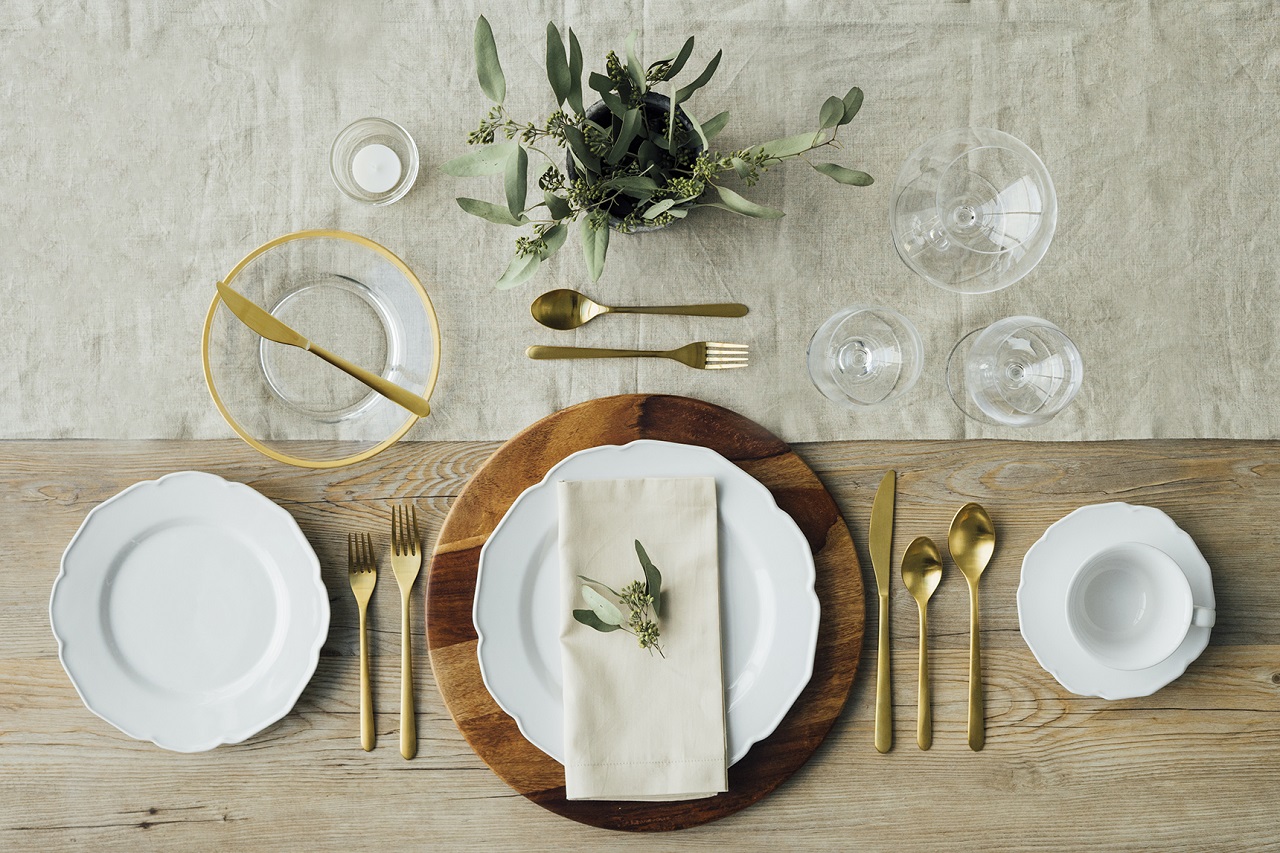
Setting a table is more than just placing dishes and utensils; it’s an art form that enhances the dining experience. Whether you’re preparing for a casual family meal or hosting an elegant dinner party, how you set your table can create the perfect ambiance. A well-set table invites guests to enjoy not only good food but also great company.
From choosing the right plates to arranging glassware, every detail matters. This blog will guide you through the essentials of setting a table ensuring that each gathering becomes memorable for all the right reasons. Let’s explore this delightful aspect of hospitality together!
The Essential Elements of a Table Setting
A well-set table reflects care and attention. At its core, every table setting needs essential elements that come together beautifully.
Start with a clean, ironed setting a table cloth or placemats to create the foundation. This adds elegance and keeps everything organized.
Next, plates take center stage. The dinner plate is usually placed first, followed by salad or bread plates as needed.
Utensils should be arranged according to use. Forks on the left and knives (with blades facing inwards) on the right provide clarity for guests.
Don’t forget about glassware! Position glasses above the knives, starting with water glasses at the top left and wine glasses nearby.
Consider adding personal touches like centerpieces or decorative napkins to elevate your table’s ambiance without overwhelming it.
Types of Plates and Their Placement
Choosing the right type of plate sets the foundation for an elegant setting a table. Dinner plates, salad plates, and dessert dishes each have their purpose.
Start with the dinner plate as your base. It should be placed directly in front of each seat. This is where your main course will shine.
Next, add a salad plate on top of the dinner plate if you plan to serve an appetizer or starter. It’s essential that this smaller dish doesn’t overshadow its larger counterpart.
For desserts, consider having a separate dessert plate ready at the end of the meal or place it next to the main setup for easy access.
Also, remember to account for charger plates when hosting formal gatherings—they elevate your presentation while providing extra flair between courses. Each layer invites guests into a culinary journey from start to finish without excess clutter in their dining experience.
Choosing the Right Utensils
Choosing the right utensils is a key aspect of setting a table. Each piece serves its own purpose, enhancing the dining experience.
Start with forks and knives. The general rule is to place them in order of use, from the outside in. For example, if you’re serving salad first, the salad fork should be on the far left.
Spoons are essential, too. If you’re having soup or dessert, make sure to include a spoon at each setting. Position it to the right of your knife for easy access.
Consider specialty items like fish forks or dessert spoons based on your menu. These little details show thoughtfulness and elevate your gathering.
Don’t overlook the materials; stainless steel offers durability while silver adds elegance. Choose what suits your occasion best to create that perfect ambiance around your setting a table.
Napkin Etiquette and Placement
Napkin etiquette is more than just folding cloth; it’s an essential aspect of table setting that adds elegance and sophistication.
Begin by choosing the right napkin material—linen or cotton works best for formal occasions, while paper can suffice for casual gatherings. The size also matters; larger napkins offer more versatility in folding.
Placement plays a key role, too. For a classic look, place the napkin on the dinner plate or to the left of the forks. When seated, unfold your napkin gently and place it on your lap to signal readiness to dine.
For creative flair, consider unique folds like a fan or pocket style, which can hold utensils or flowers. Remember not to leave it crumpled on the setting a table when finished; instead, keep it neatly folded until you’re ready to depart from your seat.
Glassware and Its Proper Arrangement
Glassware plays a crucial role in setting a table. It elevates the dining experience and adds elegance to any meal.
When arranging glassware, start with water glasses. Place them directly above the knife on the right side of your plate. This positioning makes it easy for guests to reach without interfering with their food.
Next, add wine glasses if you’re serving wine. A red wine glass is typically larger than a white one and should be placed slightly to the right and below the water glass. If you’re serving champagne, position that flute in front of the other two glasses.
Ensure all glassware is polished and free from smudges for a pristine look. Consider using different styles or colors that complement your theme, but keep it cohesive for visual harmony at your gathering.
Final Touches: Centerpieces, Place Cards, and Table Linens
Centerpieces are the heart of your table setting. They draw attention and set the mood for your gathering. Choose flowers, candles, or unique decor that reflects your theme. Ensure they’re not too tall to obstruct conversation.
Place cards add a personal touch and help guests find their seats effortlessly. Get creative with design—use elegant stationery or fun tokens related to each guest’s personality.
Table linens play a vital role in enhancing the overall look. A crisp setting a table cloth can elevate even the simplest dinnerware, while adding color or texture brings warmth to any setting. Don’t forget about napkins; consider folding techniques that complement your theme.
These elements together create an inviting atmosphere, making every meal feel special and memorable for everyone involved.
Special Occasion Table Settings
Special occasions call for a table setting that stands out. Whether it’s a birthday, anniversary, or holiday gathering, the right setup can elevate any event.
Consider using fine china or elegant dishware. It adds an air of sophistication and makes guests feel valued. Layer your plates to create visual interest; a charger plate beneath the dinner plate is both stylish and functional.
Don’t forget about the napkins! Fold them creatively or use decorative rings to enhance their appearance. Colors should reflect the theme of the occasion—think golds and whites for weddings, vibrant hues for festive celebrations.
Lighting plays a crucial role, too. Soft candles can create an intimate atmosphere while string lights add whimsy.
Personalize each place setting with name cards or small gifts to make your guests feel special. These thoughtful touches will leave lasting impressions long after the meal is over.
Tips for Hosting a Successful Dinner Party
Creating a warm atmosphere is key. Dim the lights, play soft music, and use candles to set the mood.
Plan your menu carefully. Choose dishes that can be prepared in advance. This allows you to enjoy time with your guests rather than being stuck in the kitchen.
Don’t forget about drinks. Offer a selection of wines or signature cocktails that complement your meal. A well-stocked bar can elevate the experience.
Encourage mingling by arranging seating thoughtfully. Avoid assigning specific seats; instead, create an inviting space where people can chat comfortably.
Engage everyone during dinner with light conversation starters or fun games if appropriate. Keep it relaxed and enjoyable for all involved.
Pay attention to details like place cards or personalized touches that make each guest feel special. Small gestures often leave lasting impressions at any gathering.
Conclusion
Setting a table is more than just placing dinnerware on a surface; it’s an art that reflects your style and sets the mood for any gathering. By understanding the essential elements, from plates to glassware, you can create a beautiful setting that enhances your dining experience.
When planning special occasions, consider how unique centerpieces or themed linens can elevate the atmosphere. Small details like place cards add a personal touch that guests will appreciate.
Remember, hosting is about creating an enjoyable environment for everyone involved. With these tips in hand, you’re well-equipped to host memorable dinners filled with good food and great conversation. Embrace creativity in your setting a table, and enjoy every moment spent around it with friends and family.













Leave a comment